

Establishing a new home is an thrilling journey filled with a variety of determinations and considerations. As more people become aware of the influence of their choices on the environment, incorporating eco-friendly features into new home construction has achieved great importance. These features not only encourage sustainability but can also lead to sustained savings and a healthier living environment for you and your family.
In this article, we will investigate various eco-friendly aspects to take into account during the construction of your new home. From energy-efficient design and smart home technology to the use of sustainable materials, these components can enhance the overall attractiveness and functionality of your home while helping the planet. Whether you are envisioning your dream house or assessing options, incorporating these eco-friendly features can make a significant difference.
Building Schedule and Planning
When initiating the journey of building a fresh home, establishing a solid timeline is vital for a smooth project. The preparation phase generally includes specifying the design, picking materials, and securing essential permits. This basis lays the underpinning for the entire construction and helps confirm that the project remains on time. Engaging with architects and builders early on can ease a smoother planning process, enabling you to anticipate hurdles that may occur.
Once the initial planning is finished, the next step is to construct a comprehensive construction timeline. This timeline maps out key milestones, from starting excavation to the completion check, enabling you to track advancements and manage resources appropriately. Understanding how long the construction process takes can vary based on several factors, including weather conditions and the difficulty of your design. over at this website to maintain clear lines of dialogue with your contractor and remain informed about any potential setbacks that could impact your schedule.
Finally, as your project progresses, regular evaluations of the timeline can help you to adjust to any unforeseen shifts. Factors such as workforce availability and material delays can result in fluctuations in the schedule, so adaptability is key. By maintaining a forward-thinking approach to preparation and reviewing your timeline, you can ensure that your new home is built smoothly, reducing stress and enhancing satisfaction as you get nearer to your completion date.
Materials and Design Selections
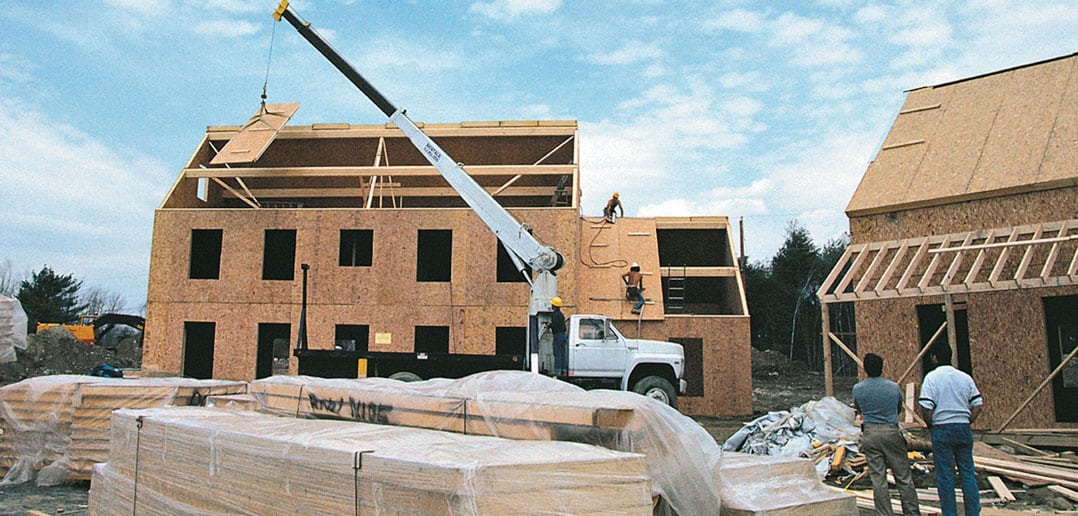
When building a new home, the decisions you make regarding materials and design are crucial in achieving an eco-friendly construction. Green materials, such as bamboo flooring, recycled metal roofs, and reclaimed wood, not only minimize environmental impact but also provide unique aesthetics. Choosing components with low VOCs can significantly improve indoor air quality, making your home healthier. Additionally, incorporating energy-efficient windows and insulation resources can lower heating and cooling costs, contributing to a more sustainable living space in the long run.
Design choices also play a key role in improving the eco-friendliness of your fresh home. Opting for an open floor plan can maximize natural light and ventilation, reducing reliance on artificial lighting and climate control. Furthermore, adopting passive solar design principles will enable the home to utilize sunlight for heating effectively, minimizing energy consumption. These styling tactics not only encourage sustainability but also create a more inviting and comfortable home environment.
Finally, attention of outdoor elements is equally important when choosing materials and design. Sustainable landscaping, such as xeriscaping or using native flora, can significantly reduce water usage. Additionally, putting in permeable paving for driveways and walkways allows rainwater to be absorbed into the ground, reducing runoff and erosion. When selecting exterior components, think about options that are long-lasting and require minimal maintenance, as this can reduce waste and prolong the durability of your home. By thoughtfully considering both components and styling choices, you can create a new home that is both trendy and eco-conscious. spintax ### Financing and Budgeting Tips
When planning the financial aspects of constructing a new home, it is vital to create a detailed budget that accounts for all potential costs. Beyond just the construction expenses, include land acquisition, permits, and utility connections. It is also important to account for surprise costs that may arise during construction, which can be mitigated by setting aside a contingency fund. Thorough planning and practical budgeting can help you avoid financial strain.
Choosing the right financing option is crucial in ensuring the seamless execution of your project. Investigate various loan types, such as construction loans or traditional mortgages, and understand the terms associated with each. Working closely with financial advisor or mortgage broker can provide advice into the ideal options open for your specific situation. Comparing interest rates and understanding the implications of change orders on your finances will also be a key factor in your budgeting process.
Lastly, always adjust your budget throughout the construction process. As you make decisions about materials, upgrades, and finishes, keep track of your spending and how it compares to your initial estimates. This ongoing assessment will help you maintain monetary oversight and make informed choices if adjustments are needed. Emphasizing communication with your builder about budgeting can ensure that all parties are on the same page as you make progress towards your dream home.